How Much Does Exterior House Painting Cost in Connecticut? A Homeowner’s Guide
Exterior house painting cost in Connecticut depends on the size and height of the home, siding condition, repairs, access and the coating system specified. For a broad starting point, HomeGuide reports a national range of $3,000–$10,000 for an average 2,000-square-foot house. This is a national planning reference—not a Connecticut average or a Fairfield Pro Painting quote. Larger homes, difficult access, extensive preparation and carpentry can put a project outside that range. A reliable local price requires an inspection and a written scope.
By Luciano, Owner of Fairfield Pro Painting | Updated October 7, 2026
Why does exterior painting cost vary so much?
Painting a home involves more than buying paint and covering the siding. The work may include washing, protecting landscaping, removing loose coatings, sanding, priming, caulking appropriate joints, repairing damaged surfaces and painting detailed trim.
Two homes with similar interior square footage can have very different exterior projects. One may be a low ranch with easy access; another may have tall gables, several rooflines, intricate trim and peeling paint. Interior floor area alone does not measure the exterior surface to be painted.
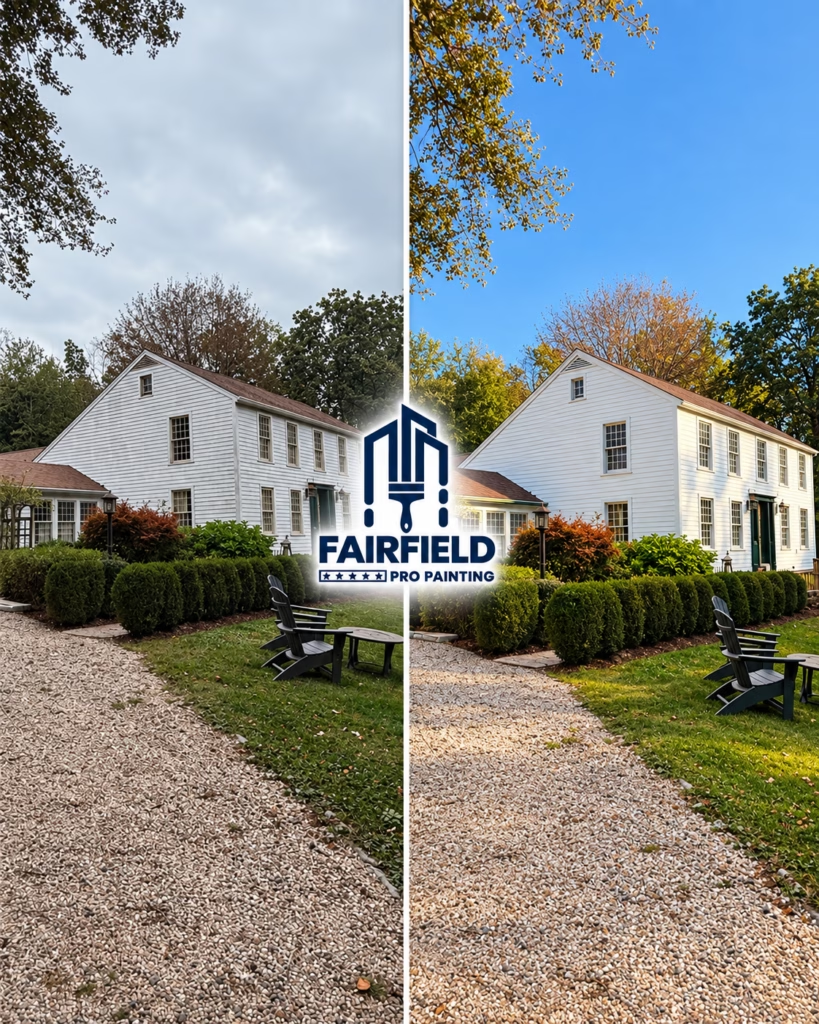
How does house height affect the price?
Upper-story walls, high gables, dormers and roofline trim take additional time to reach and work on. The estimate should account for safe access, equipment setup and repositioning. Depending on the property, ladders, scaffolding or a lift may be needed.
The ground matters too. Sloping yards, narrow side passages, planting beds, porches and attached structures can make access more complicated. A tall wall above a steep slope may involve more work than a similar wall beside a level driveway.
Ask whether the quote includes the equipment and access arrangements required for the entire scope. Do not assume a two-story home costs a fixed percentage more: the actual elevations and site conditions need to be evaluated.
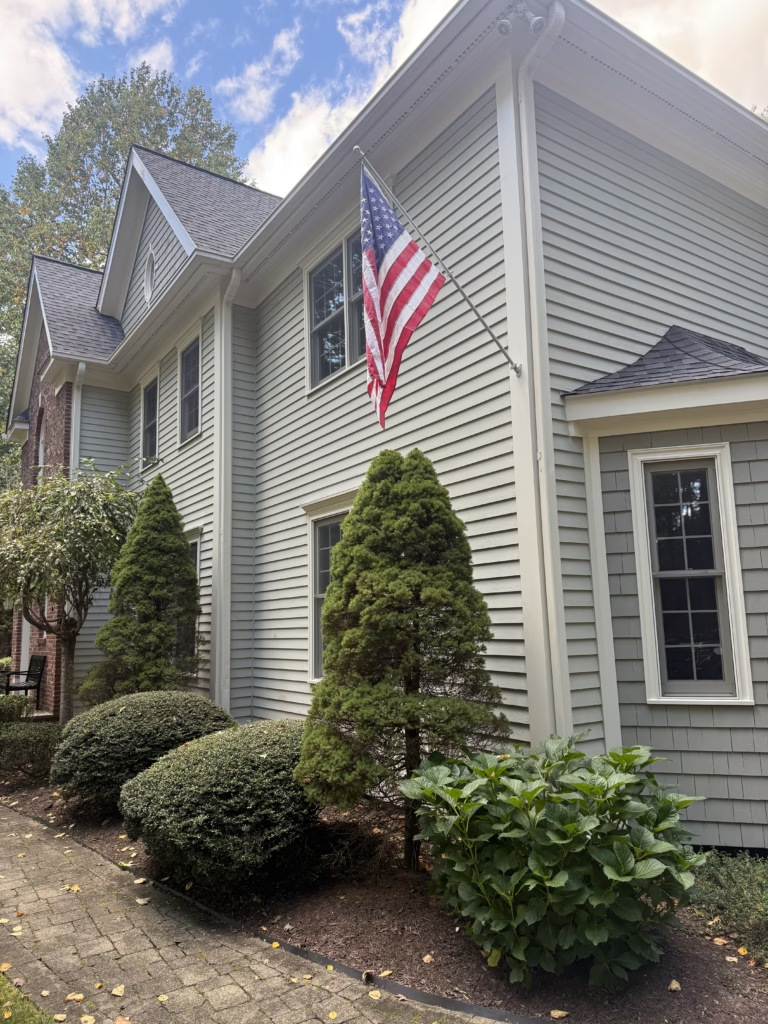
How does siding condition influence the estimate?
A sound surface with a well-adhered coating needs a different preparation plan from siding with widespread peeling, weathered areas or damage. Preparation can become a substantial part of the job when the existing finish is failing.
- Sound, previously coated siding: cleaning and inspection, with localized preparation where needed.
- Peeling or loose paint: removal of failing coatings, smoothing edges and investigation of the underlying cause.
- Bare or weathered wood: assessment of the wood and selection of suitable preparation and primer.
- Damaged siding: a repair or replacement plan before coating.
Benjamin Moore’s exterior preparation guidance emphasizes clean, dry surfaces and correcting the cause of peeling. Painting over a failing coating or unresolved moisture problem does not address the underlying issue.
What repairs should be included?
Ask the contractor to distinguish normal painting preparation from carpentry. Minor filling or agreed caulking is different from replacing rotten trim, damaged siding, fascia or window components.
Visible repairs should be described in the estimate. If concealed damage is discovered after preparation begins, agree on how it will be documented and priced before additional work proceeds. Confirm who is responsible for carpentry and whether its cost is included or separate.
In our Newtown exterior trim project, painting followed completed carpentry repairs. That sequence matters: a finished coating should follow the necessary repairs.
How do siding materials and paint products change the cost?
Wood, vinyl, fiber cement, masonry and metal do not all require the same coating system. The substrate, existing finish and manufacturer instructions determine the products and preparation that are appropriate.
For wood, discuss whether paint or stain is appropriate for the existing surface and desired result. For vinyl, check the siding manufacturer’s painting and color restrictions. Benjamin Moore provides specific vinyl preparation and coating guidance; a plan for wood siding should not automatically be applied to vinyl.
The estimate should identify the paint or stain product line, primer where required, finish and planned coats. Materials also include masking, protection, abrasives and other preparation supplies. Comparing gallon prices alone does not compare the complete job.
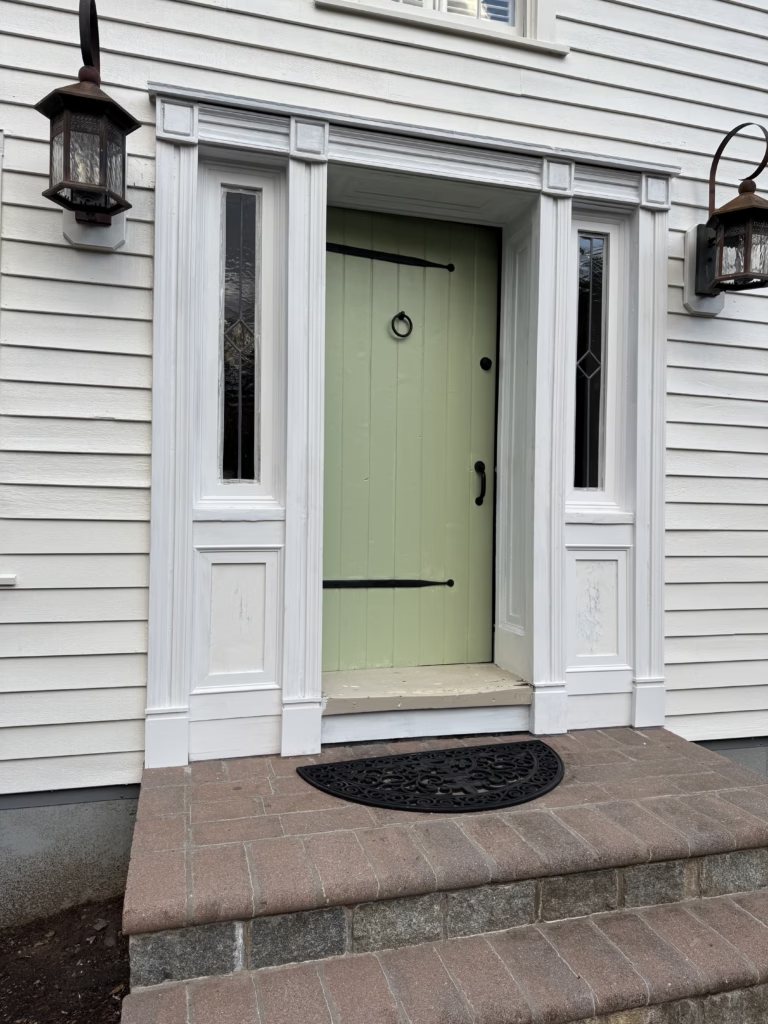
What should an exterior painting estimate include?
| Cost factor | What to check in the estimate |
|---|---|
| House size and height | Included elevations, upper stories, gables and access equipment. |
| Siding condition | Cleaning, loose-coating removal, sanding and priming where required. |
| Repairs | Specified siding or trim repairs, responsible contractor and exclusions. |
| Materials | Paint or stain product line, primer, colors, sheens and planned coats. |
| Trim and additional surfaces | Windows, doors, shutters, fascia, soffits, garage areas and any other agreed surfaces. |
| Protection and cleanup | Protection of surrounding areas, debris handling and final cleanup. |
| Changes and schedule | How additional work is approved and how weather affects the schedule. |
A Connecticut project example: Roxbury siding and trim
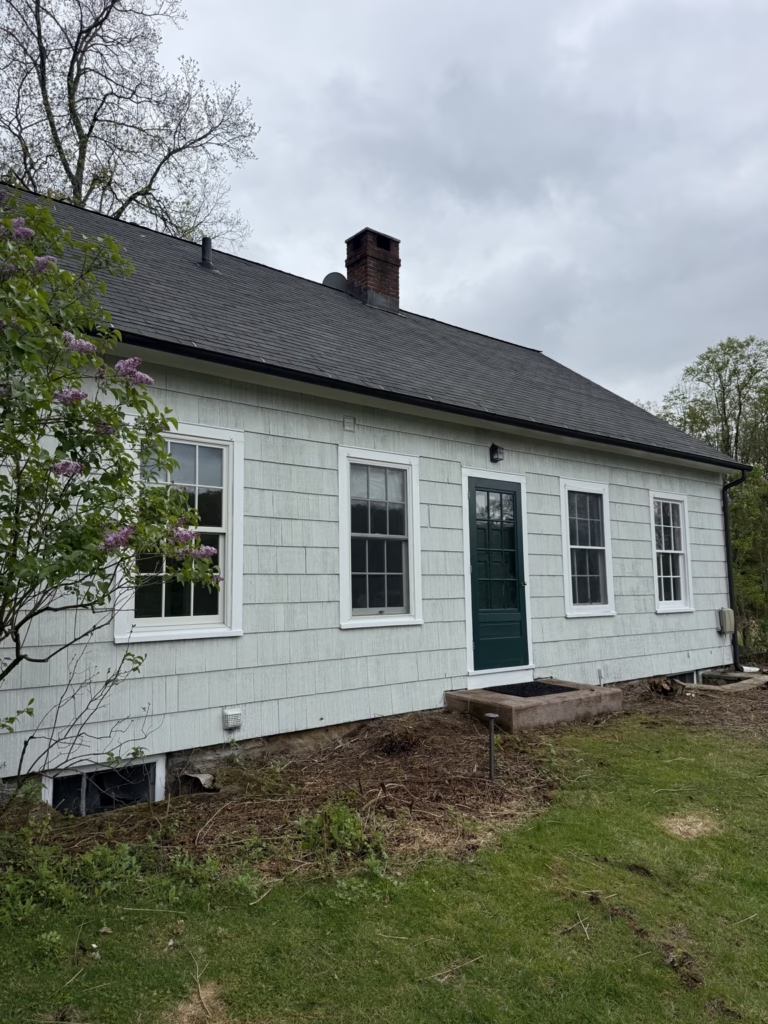
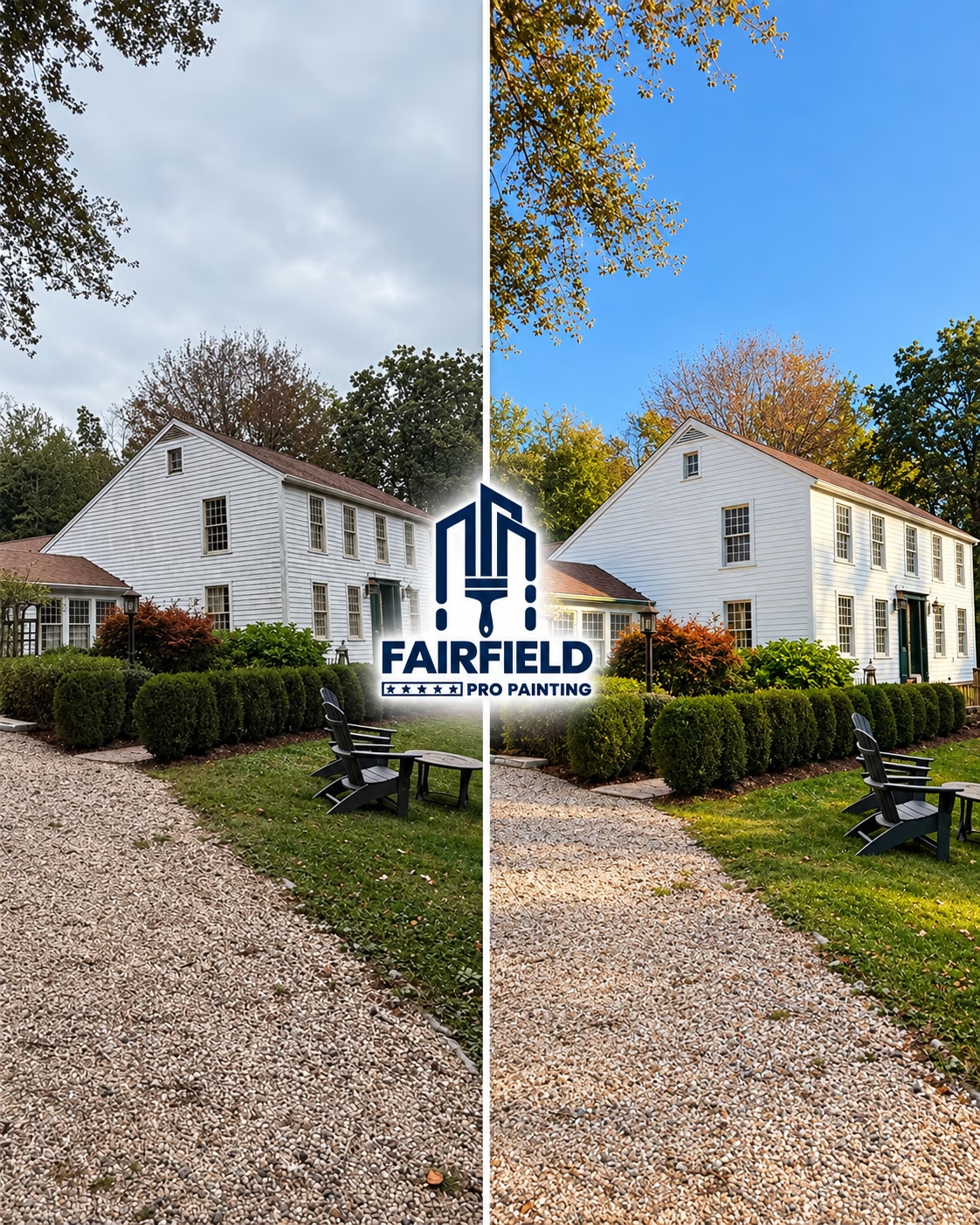
Our Roxbury exterior painting project included off-white Sherwin-Williams paint in a flat finish on the siding and a low-luster finish on the trim. The project also covered entry details and garage areas.
The photographs show the scope and completed appearance. They do not establish a price for another home. A walls-and-trim project differs from trim-only work, and each property’s condition and access need to be assessed. We have not published a dollar total for these examples because a verified complete project estimate is not included in this guide.
Frequently asked questions
Can I calculate the price from my home’s square footage?
Floor area is a useful starting detail, but it is not the paintable exterior area. Wall dimensions, height, openings, trim and included structures all matter. Ask how the contractor measured the scope rather than multiplying your interior floor area by an online rate.
Does every exterior need a full coat of primer?
No. The primer plan depends on the substrate, existing coating and condition. The estimate should distinguish localized priming from full priming and identify the product selected for the surface.
How many coats should be included?
Benjamin Moore’s exterior guide advises planning for two finish coats. Follow the chosen product’s instructions and record the planned coating system in the estimate. Primer and finish coats are different steps.
How long will the project take?
Height, scope, preparation, repairs and suitable weather determine the schedule. Surface drying after washing and drying between coats must be allowed for. Ask for an expected working schedule with a weather contingency rather than a guaranteed number of calendar days.
What is the best way to control the budget?
Define the surfaces first, finalize colors early and compare written estimates with the same scope. Discuss optional items separately. Address needed repairs and preparation before reducing the work to fit a lower price.
Request a local exterior painting estimate
Fairfield Pro Painting provides exterior painting services in Fairfield County and nearby Connecticut communities. Explore our Newtown painting page and service area to learn more.
Request a free estimate. Tell us your town, siding material, number of stories and whether you want siding, trim, doors or repairs included. We can evaluate the property and provide a written scope for your home.